Key Highlights
- This guide explores the key differences between live-action and animated video content to help you choose the right format.
- Live action offers a sense of authenticity by using real actors, which is perfect for building an emotional connection with your audience.
- Animation provides unparalleled creative freedom, making it ideal for explaining complex ideas and creating unique visual experiences.
- Your choice of production path depends on your project goals, target audience, budget, and desired message.
- The production processes for live action and animation differ significantly in timeline, resources, and workflow.
- Burninghouse helps you navigate this choice, ensuring your final product is engaging, impactful, and aligned with your brand.
Introduction
Choosing the right direction for your video content can be challenging. Should you film real people on location or use animation? This choice shapes your production and how your audience receives your message. As a leading visual content agency, Burninghouse helps you select the best approach. Our creative director and production team work with you to create authentic, results-driven visual content.
Understanding the Basics: Live Action vs. Animation in Video Production
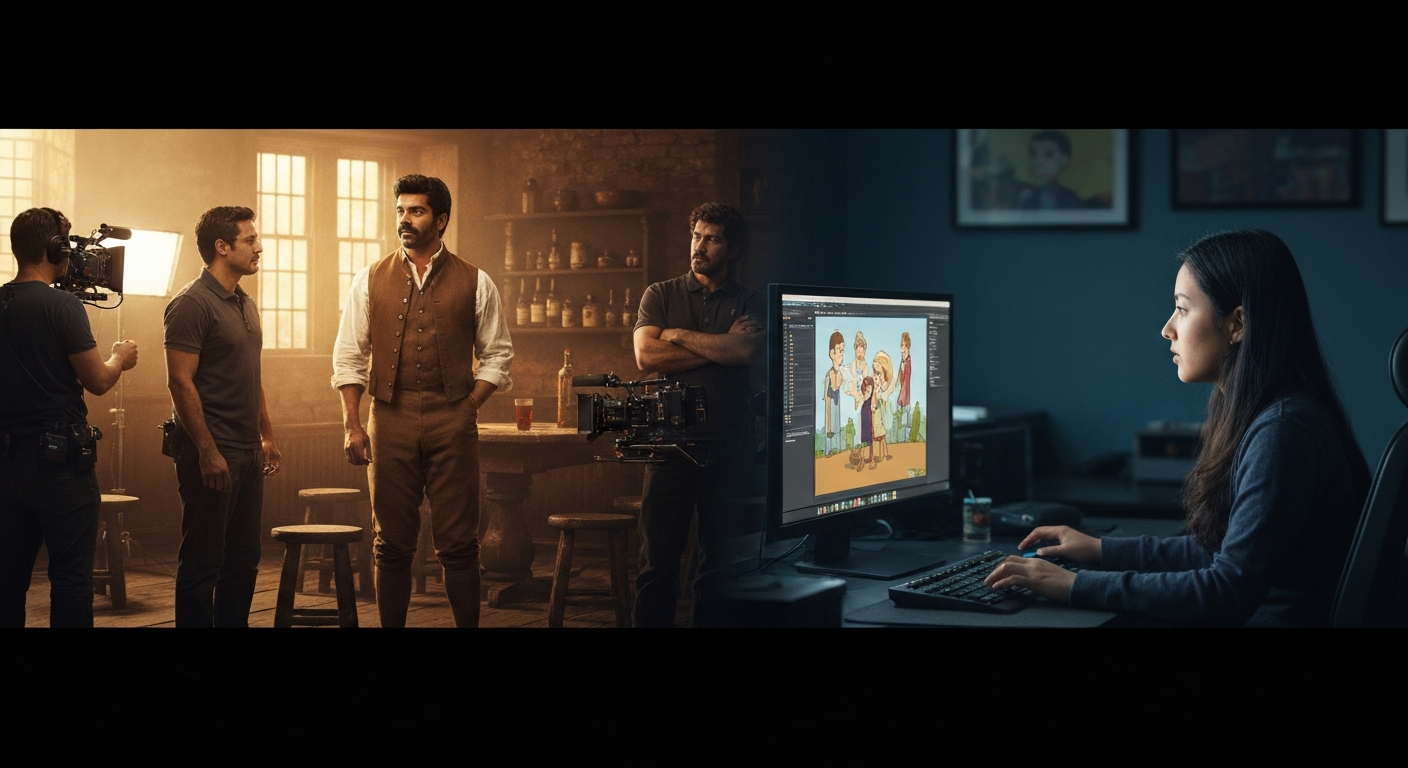
Before choosing, understand the key differences between live action and animation in video production. Live action uses real actors and locations, like movies or testimonials, often produced by companies like Burninghouse video production company. Animation is created with illustrations, motion graphics, or CGI. Both are effective but offer unique viewer experiences and serve different purposes.
What Defines Live Action Video Production?
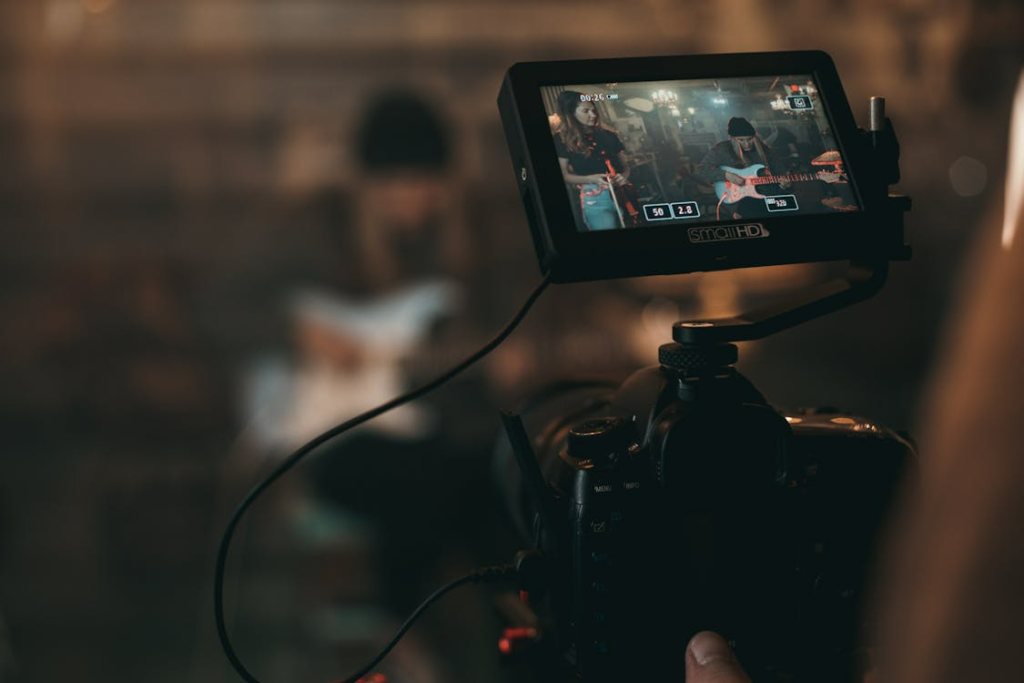
Live action video production captures reality using real people in genuine settings to tell stories or convey messages. Its main strength is authenticity—viewers connect with real actors through their expressions and emotions, building trust and emotional bonds. Whether showcasing your CEO or customers, live action makes your message relatable and grounded. This format is ideal for stories that depend on human interactions, helping audiences feel closer to your brand.
Key Features of Animation Production
Animation unlocks limitless creativity, allowing you to bring any concept to life—no matter how abstract or fantastical. Unlike live action, animation isn’t bound by reality and can transform complex ideas into engaging, easy-to-understand visuals.
With full control over every visual element, animation excels at simplifying detailed material and using visual metaphors to explain concepts that are hard to capture with live action.
Key strengths of animation:
- Explaining Complexity: Simplifies difficult topics with engaging visuals.
- Creative Freedom: Creates worlds and characters beyond physical limitations.
- Visual Metaphors: Make abstract ideas memorable and tangible.
- Brand Consistency: Delivers a unique, consistent visual style for your brand.
Burninghouse Video Production Company’s Approach to Creative Storytelling
At Burninghouse, we focus on creating visual content that delivers results. We go beyond filming or designing—we develop strategies to ensure your video connects with your audience.
Our production process is fast, efficient, and hassle-free. We collaborate to craft high-quality visuals that authentically reflect your brand and help you choose between live action or animation to best tell your story.
Philosophy Behind Project Selection
Choosing between live action and animation starts with asking the right questions. Before any project, we unpack your brief to align visuals with your objectives—believing that a clear strategy enables creative freedom and impact.
We always begin with three key questions to guide your choice and ensure every decision advances your brand:
- Who? Identifying your audience to craft engaging content.
- How? Selecting the most effective style and approach.
- What? Defining your core message and desired viewer action.
Tailored Solutions for Australian Clients
We know every business is unique, so we offer tailored solutions for our Australian clients. As Property Exchange Australia (PEXA) shared, “Burninghouse made a big effort to understand our multifaceted and complex business.” We bring this level of detail to every project.
In complex industries like financial services or property, animation can simplify detailed topics. For businesses aiming to build trust, live action with real team members may work better.
We manage the entire process—including production costs and timelines—to deliver a final product that fits your needs. Let us handle video production, so you can focus on your business, knowing your visual content is in expert hands.
Comparing Processes: Live Action and Animation Workflows
The production journey for live action and animation videos differs greatly. Knowing these workflows helps you understand the timeline and resources needed for each. Live action relies on a successful shoot day, while animation is assembled step by step digitally.
Each has unique milestones and challenges—live action can be impacted by weather, while animation demands detailed storyboarding and design before production starts. Here’s what goes into making each final product.
Step-by-Step Guide to Producing a Live Action Video
The live action video production process has three main phases:
- Pre-Production: Planning, scripting, storyboarding, casting, location scouting, and scheduling to ensure a smooth shoot.
- Production: Filming on location with cameras, lighting, sound equipment, and crew.
- Post-Production: Editing footage, color grading, sound design, and adding graphics for the final polished video.
| Stage | Key Activities |
| Pre-Production | Scripting, storyboarding, casting, location scouting, scheduling |
| Production | Filming with cameras, lighting, sound equipment, and crew |
| Post-Production | Editing footage, color grading, sound design, and adding graphics |
The Animation Creation Journey at Burninghouse
Creating an animation project is a controlled, iterative process that starts with storyboarding, where we plan the narrative and visuals scene by scene. This step defines the story and pacing before animation begins.
After storyboard approval, artists design characters and assets to establish the animation’s visual style. Next, illustrators and motion graphics artists animate each movement with precision.
Unlike live action, animation allows easier revisions during production for greater flexibility. The final steps include rendering scenes, adding sound and music, and delivering a polished video that matches the original vision.
Factors to Consider When Choosing Your Production Path
Now that you know the differences, how do you choose what’s best for your brand? It’s not about picking the “better” option, but about selecting the right tool for your needs.
Focus on your project’s main goal, target audience, budget, and timeline. Carefully considering these factors will help ensure your video achieves its purpose and delivers a strong return on investment.
Project Goals and Audience Engagement
What do you want your video to achieve? This determines whether live action or animation is best.
If you aim to build trust and create emotional impact, live action works well—seeing real faces fosters personal connection. For explaining complex services or abstract concepts, animation engages viewers by making information simple and accessible. Consider your target audience too, as preferences may vary.
Match your goal to the style:
- Building Trust: Live action testimonials and interviews establish credibility.
- Explaining a Process: Animation simplifies complex workflows or ideas.
- Showcasing a Product: Live action shows products in use; animation reveals inner workings.
Budget, Timeline, and Resource Allocation
Budget and timeline are often decisive. Both live action and animation require significant investment, but costs are structured differently. Live action expenses can rise due to location fees, actor salaries, crew size, and travel. Animation costs depend on video complexity and length—a simple motion graphic is cheaper than a detailed character story. Animation may take longer due to design and rendering, but it avoids delays like bad weather.
Effective resource allocation is crucial. Compare the upfront costs of live action with the longer, iterative process of animation. At Burninghouse, we guide you through these trade-offs to find solutions that fit your budget and schedule.
Applications and Best Fit Projects for Each Format
Some projects are better suited to live action, while others work best with animation. Knowing the strengths of each helps you choose the right format for your needs—whether it’s explainer videos or social media content.
Live action is ideal for authenticity and human connection. Animation excels when clarity and creativity are key. Here’s where each format works best.
Ideal Use Cases for Live Action Videos
Live action video is ideal for creating authentic, personal content that connects directly with your audience. It’s perfect for showcasing real people, demonstrating products, or capturing the atmosphere of events—putting a face to your brand and building trust.
Best uses for live action video include:
- Customer Testimonials & Case Studies: Real people sharing genuine experiences create strong social proof.
- Brand Stories & “About Us” Videos: Featuring your team and company culture fosters a human connection.
- Event Highlights: Capturing the energy of conferences, launches, or corporate events.
Scenarios Where Animation Shines
Animation videos shine where live action is impractical or less effective. They simplify complex ideas, visualize abstract concepts, and make learning engaging. Animation is perfect for:
- Explainer Videos: Turn products or services into short, clear, and engaging stories.
- Training and Education: Break down detailed content into memorable visual lessons.
- Visualizing Abstract Concepts: Bring data, processes, or imaginative ideas to life with clarity and style.
Conclusion
In conclusion, choosing between live action and animation for your video production can significantly impact how your message is received. Each format has unique strengths that cater to different project goals, audience engagement strategies, and budget considerations. At Burninghouse, we understand the nuances of both approaches and are dedicated to crafting storytelling solutions that resonate with your audience. Whether you aspire to create a visually stunning animated piece or a captivating live-action narrative, our team is here to guide you through every step of the process. Ready to elevate your project? Get in touch with Burninghouse video production company today for a consultation!